
Time to talk about the third thing that’s changed the way I view tropes this year. I’ve already mentioned discussions with other writers and my resulting redefinition of tropes from “cliché” to “theme or motif”, as well as neuroscience, so here’s No. 3: Korean TV shows (K-dramas). How K-dramas have altered my attitude toward tropes in storytelling ties into the previously-discussed neuroscience, but also anthropology, my love of cross-genre storytelling, and finding a new genre that surprises me just as often as it gives me something I could see coming a mile away (but wanted to see it play out anyway).
I’m a historical archaeologist, and in American terms, that means my training is in anthropology with archaeology as a subdiscipline and post-contact sites as a specialty. Aside from Marian Allen’s influence, what got me into K-dramas is that they are not, contrary to popular belief, just romances, and there are a whole slew of them that are historical fiction set in the Joseon Era (1392-1897). Yes, a love story is usually a central part of your balanced K-drama breakfast, but the ones we watch offer a pretty hefty variety of elements within a single show: action/adventure, comedy, culture, history, fantasy and/or the supernatural, horror, tragedy, and quite often food close-ups that put cookbooks to shame. A good K-drama can take you from one emotion to another on a dime, and do it in a way that feels absolutely right for the story, even when you wish it didn’t.
I’m soaking up these cool tidbits of a historical world I’ve read nothing about, running off to research the details, the folklore, the context and meaning behind a symbol on someone’s robe, and noting how the common threads between the different shows reflect cultural values and phobias. In turn, that makes me think about what the tropes I have been surrounded with from European and American authors for most of my life might be a reflection of. And that makes me think in new ways about why I’ve rejected tropes for so long. Am I just being contrary (not unlikely), am I striving to create something original, or am I rejecting cultural norms I disagree with? Or is it some of each of those things? If I find myself avoiding a trope lately, I ask myself a lot of questions about why, and honestly that’s because of watching K-dramas.
I also appreciate that K-dramas are deeply aware of their use of tropes, and often have a sense of humor about it–either with subtle tongue-in-cheek moments or blatantly over-the-top send-ups or inversions. Example: if a man catches a woman when she’s about to fall, at least one of them is going to fall in love with the other in that moment, often accompanied by cherry blossoms falling from the sky. In 100 Days My Prince, this occurred in the middle of a field with no cherry trees anywhere around, and immediately afterward the characters both realized the “petals” were flying insects and had to swat them away. Romance instantly sidelined, which is kinda typical for that particular couple, anyway–which made it funnier. Even though a lot of the plots have similar points, the execution, characters, twists, setups, relationships, and inclusion (or not) of other elements makes it fun to see a new take, which is the larger point in this blog series.
Some of the common tropes in my favorite Joseon-era K-dramas:
- Left state councilor = of course he’s the villain
- Crown prince = someone is going to kill him, or at least try
- Gotta find a ledger
- Incessant political intrigue
- Separated siblings reunite
- Peasants and/or servants save the day
- EPICALLY tragic backstories, sometimes even for goofy side characters
- Sincerity vs. deceptiveness more than good vs. evil
- Best friends = ride or die, but will also definitely check each other on some bullshit
- People falling in love because they have similar values or are fighting the same injustices, even if their approaches, personalities, and/or backgrounds are very different
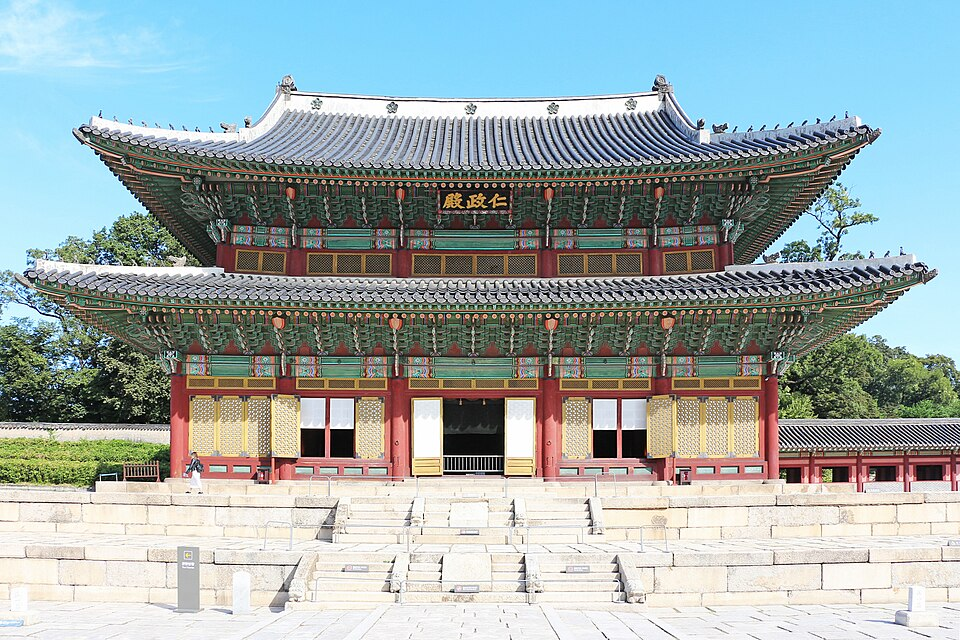
So that’s how K-dramas helped me realize I don’t have to ditch a plot point just because it’s not brand-spanking-new. There are all kinds of ways to keep a trope from feeling stale, even if you don’t subvert it, and sometimes it’s a hell of a fun thing to see a left state councilor show up for the first time in a show and yell BOOOOOO!!!! because you already know he’s the villain. The first rule of writing, for me, really, is to have fun. Sometimes I forget that and try to be Very Serious, and it rarely goes well. It’s been good to explore both fun and serious reasons for relaxing about the use of tropes in my fiction, and thanks for coming along! I may post another time about pitfalls and successes.

